


Sometimes when I am doing a live blog like this, it is hard to remember the day before yesterday. Especially when you have a really big excursion on the intervening day. Yesterday we were in Juneau and went out whale watching but that’s a story for tomorrow. Today is Hubbard Glacier which we visited on Wednesday—the day after we visited Icy Strait Point.
For the uninitiated, one of the biggest reasons people cruise to Alaska is to see the glaciers. There are four glacier-viewing areas any ship can visit, though some are much better than others. In our 13 cruises to Alaska, we have visited all four. By far the best is Glacier Bay, followed by Hubbard, Misty Island Fjords, and Tracy Arm.
This year, there are only three because Tracy Arm has been experiencing rockslide activity, and the cruise lines are avoiding it. When I first went to Glacier Bay, I was so impressed that I wanted to know why everyone doesn’t go there on every cruise. I found out it’s an environmental issue. Glacier Bay is a national park, and the number of ships that can sail in is highly regulated through a permit process. Because the permits are grandfathered (cruise lines that have been here the longest get first call), if you want to see Glacier Bay, you need to cruise with either Holland America or Princess, as they have been doing Alaska the longest and have the permits to show for it. Or you can take one of the smaller cruise lines that leave midweek, when Princess or HAL are not sailing and not in the Bay. Permits are issued to X number of ships per day.
Hubbard is used by the second tier of cruise lines (in terms of the number of years they have been cruising in Alaska, then Tracy Arm and finally Misty Island Fjords. While in Glacier Bay, you may sail by more than 10 glaciers. When you visit Hubbard, you see two—Hubbard and Turner. Hubbard is the main attraction as Turner is receding.
According to Wikipedia, receding glaciers, also known as glacial retreat, occur when a glacier melts and shrinks faster than it can accumulate new snow and ice. Because glaciers naturally flow downhill like slow-moving rivers, “receding” simply means the ice is melting away at its lower edges—or terminus—faster than the glacier can replenish itself.
Hubbard is an advancing glacier. When a glacier advances, it gains more snow and ice (accumulation) than it loses to melting or breaking off (ablation), causing the end of the glacier (the terminus or snout) to grow and push further downslope or out into a valley.
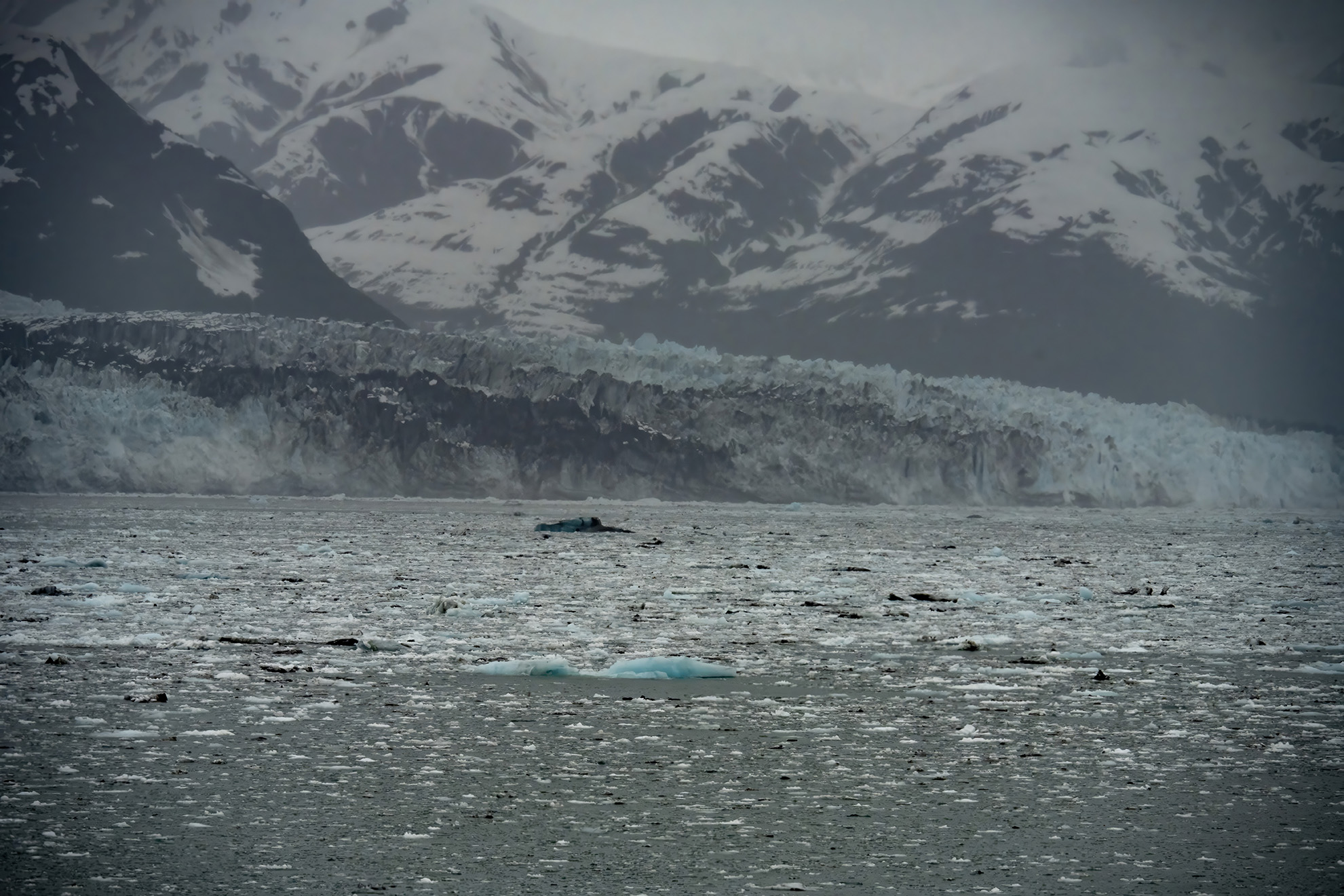
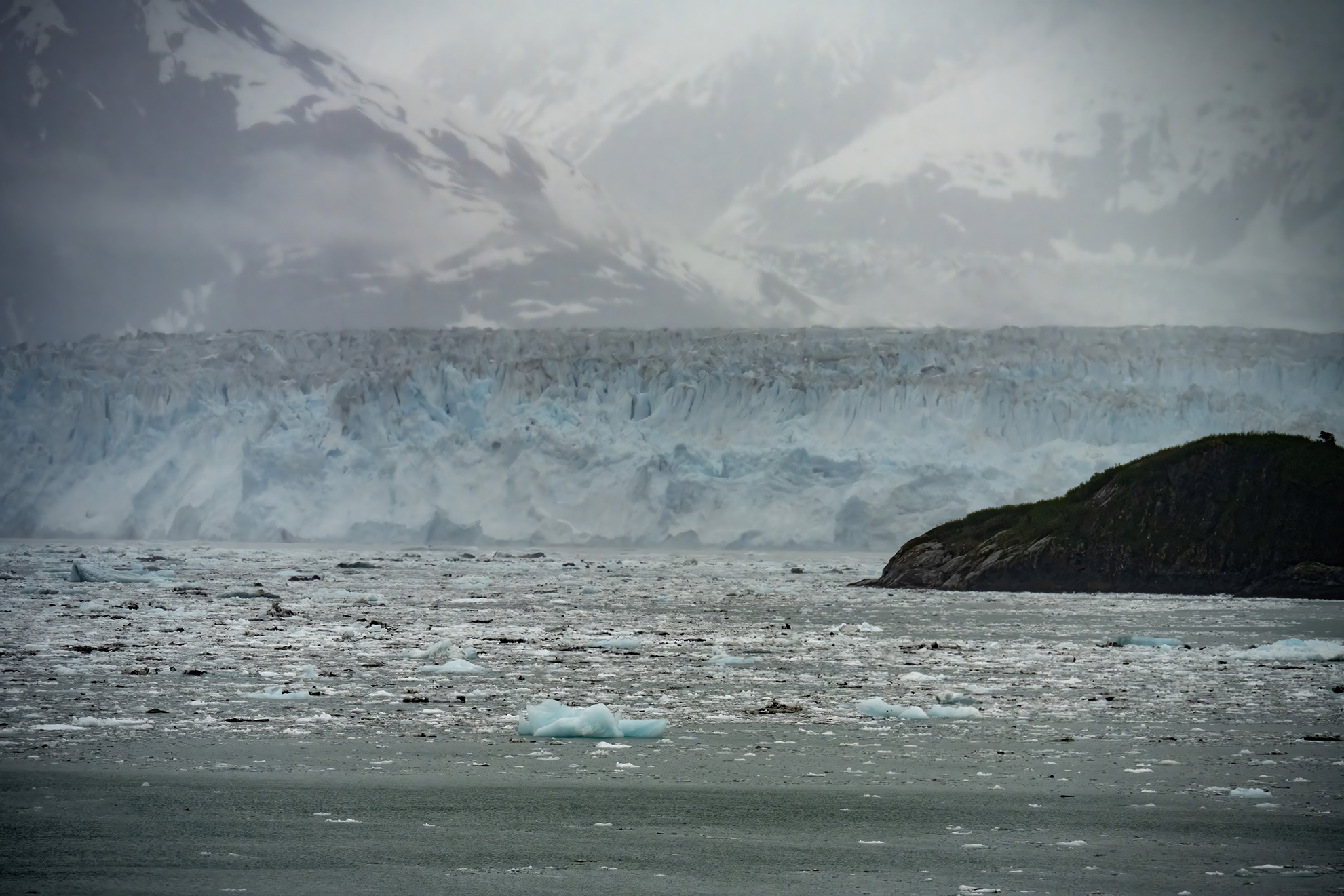
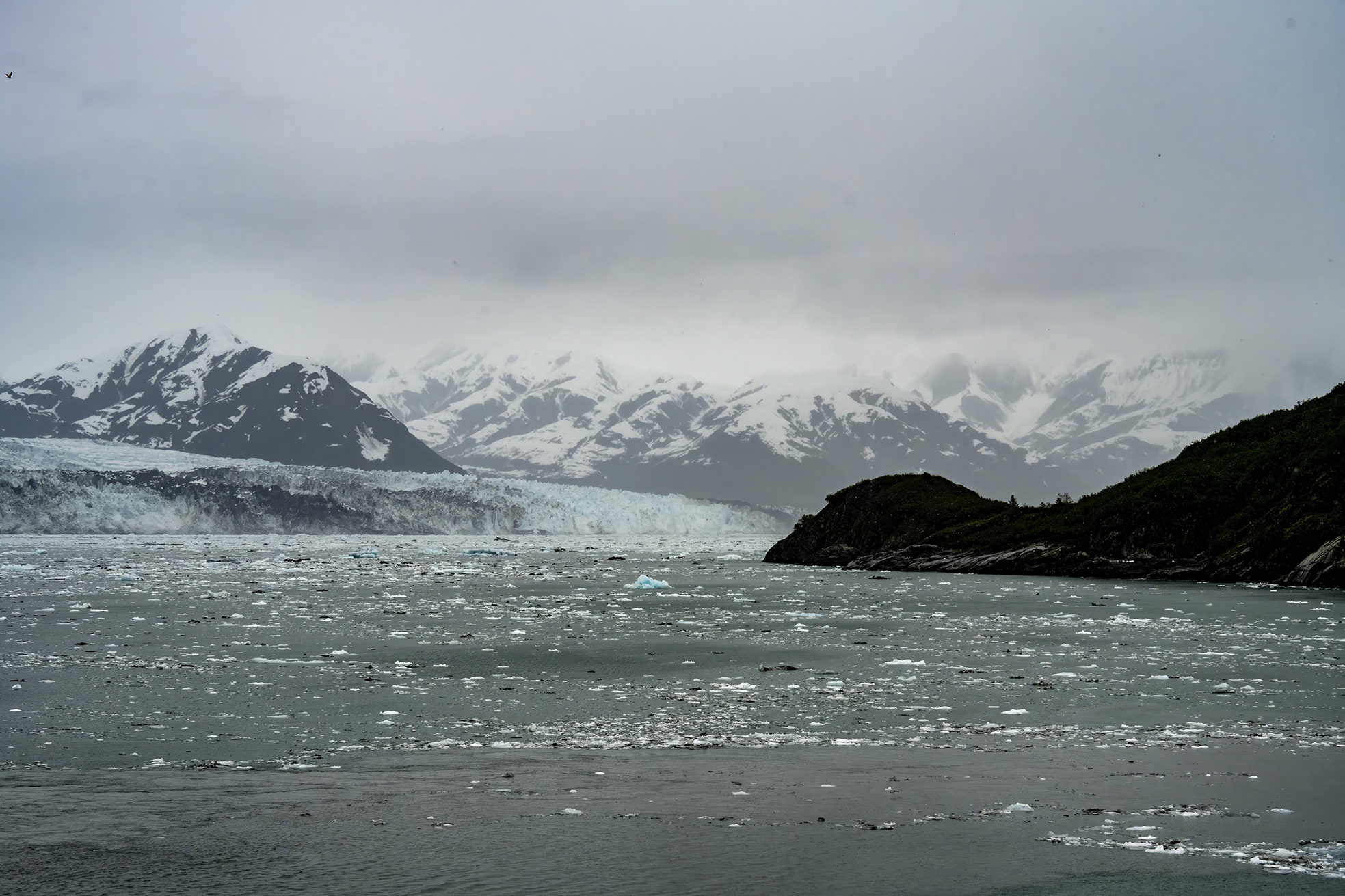
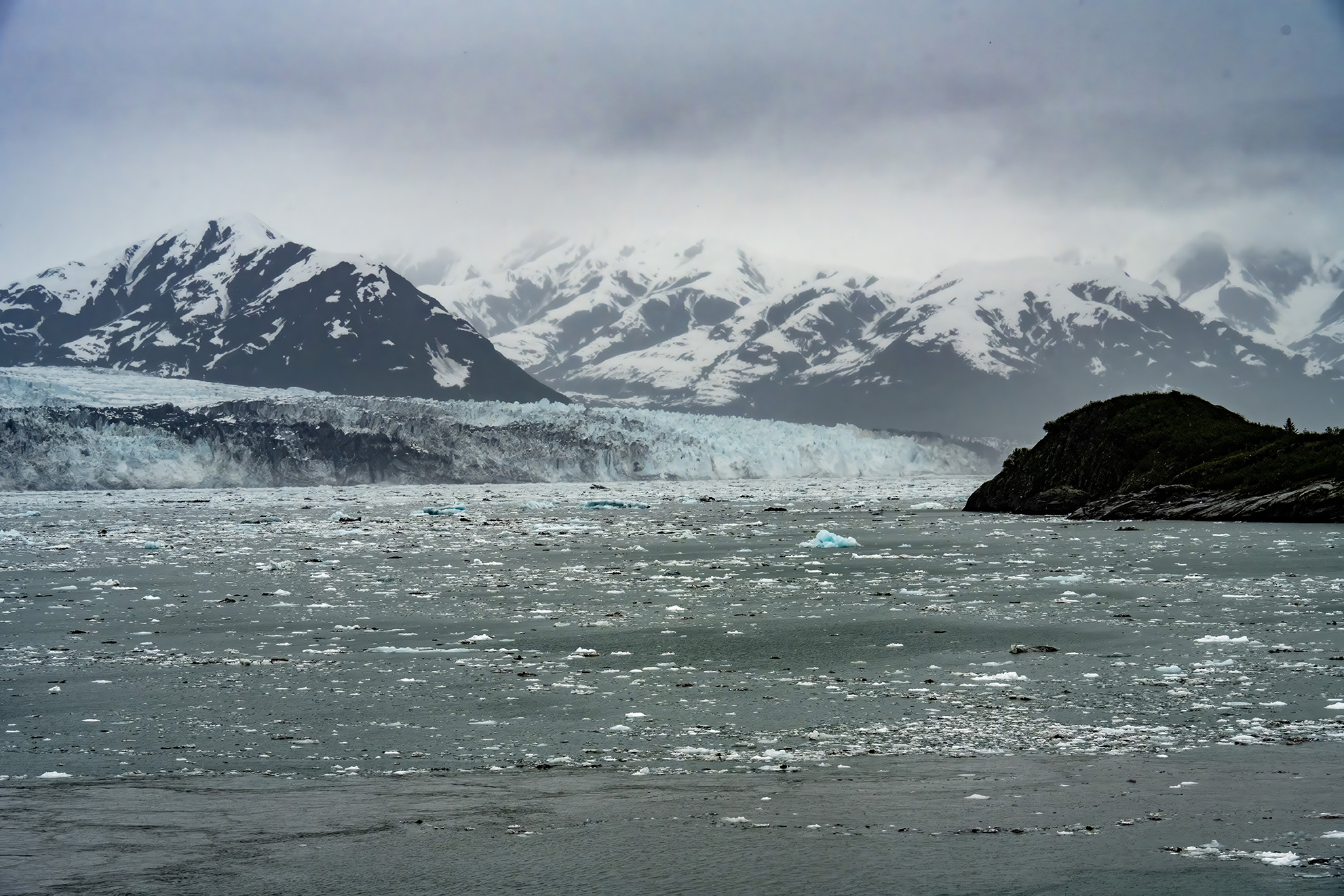
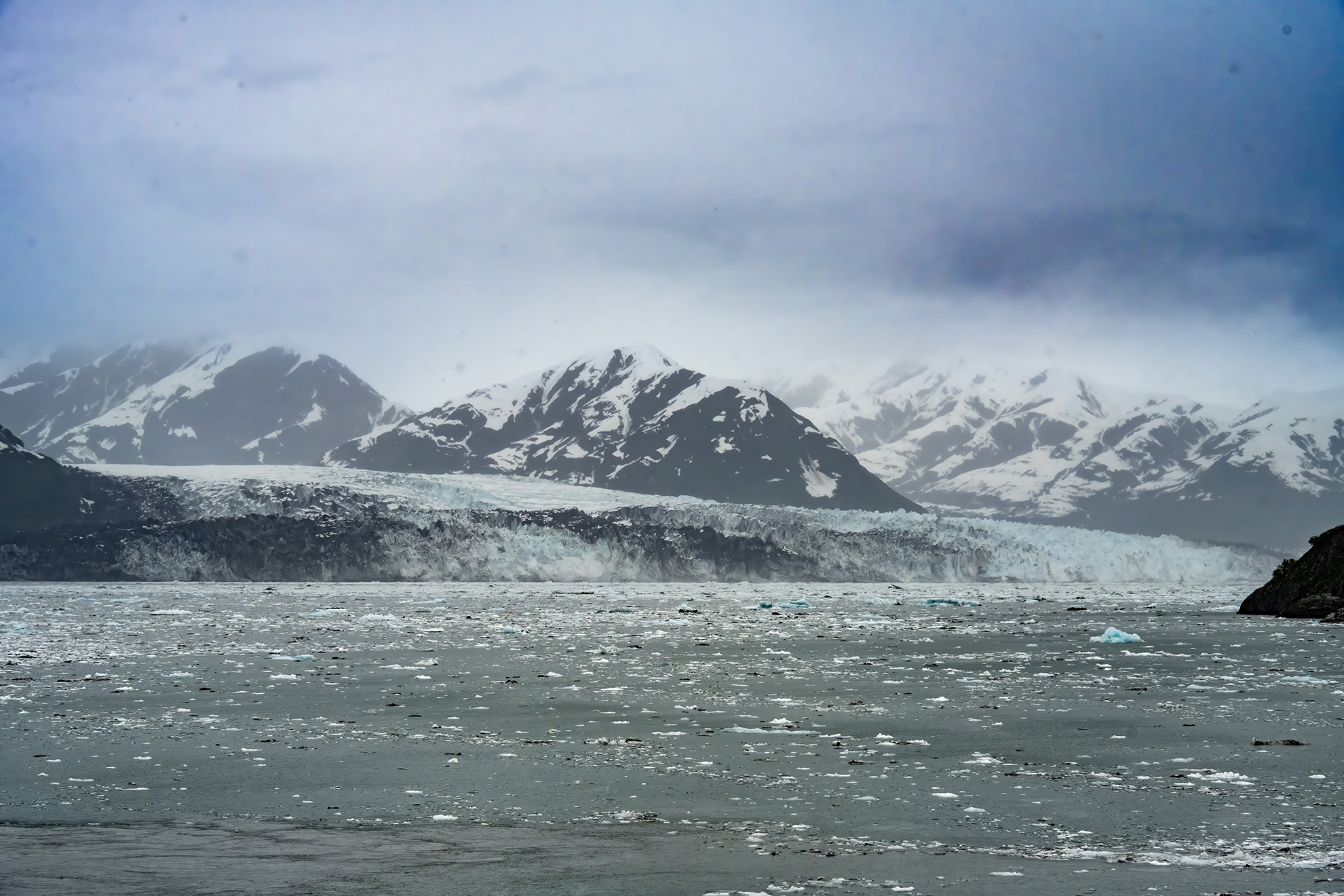
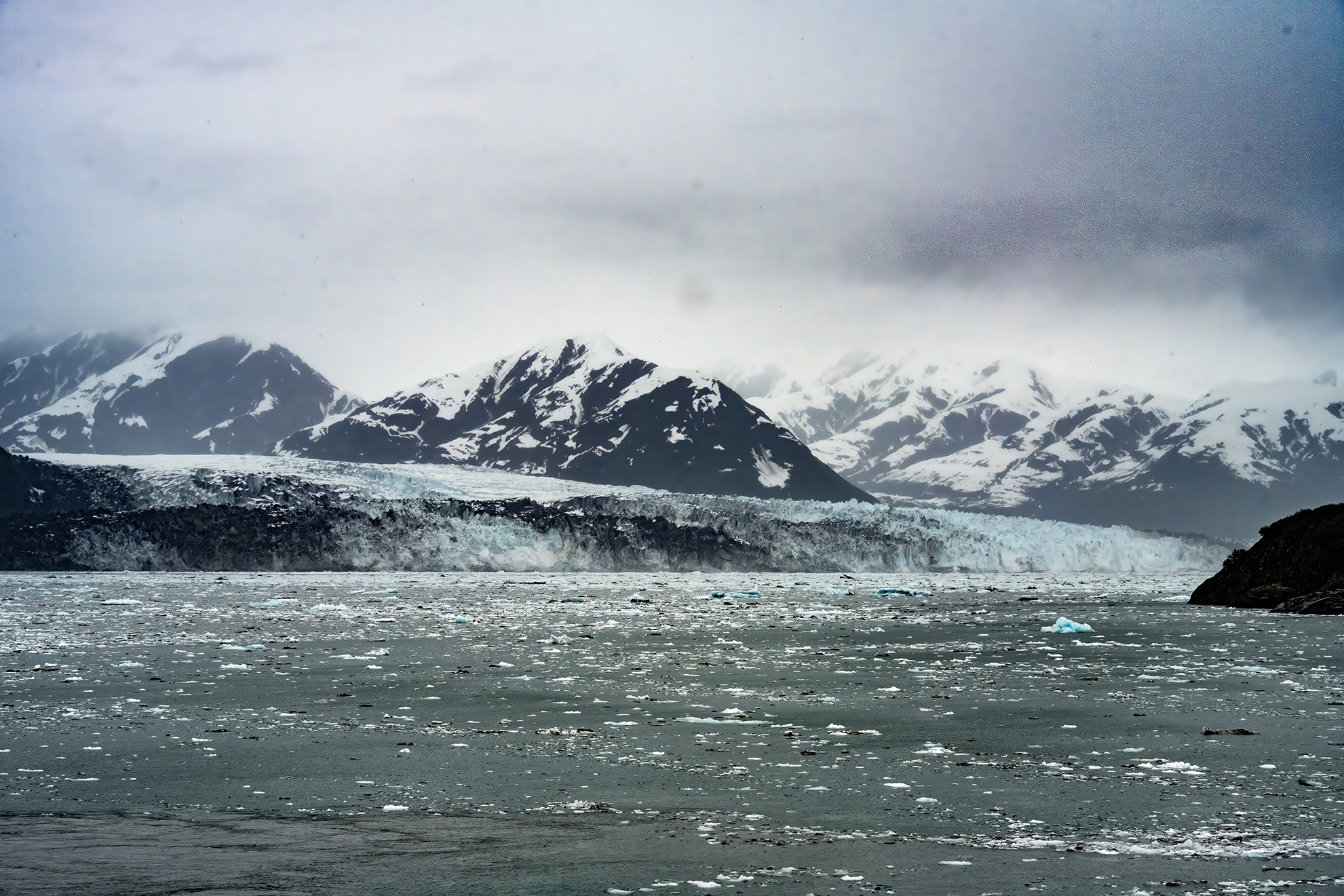
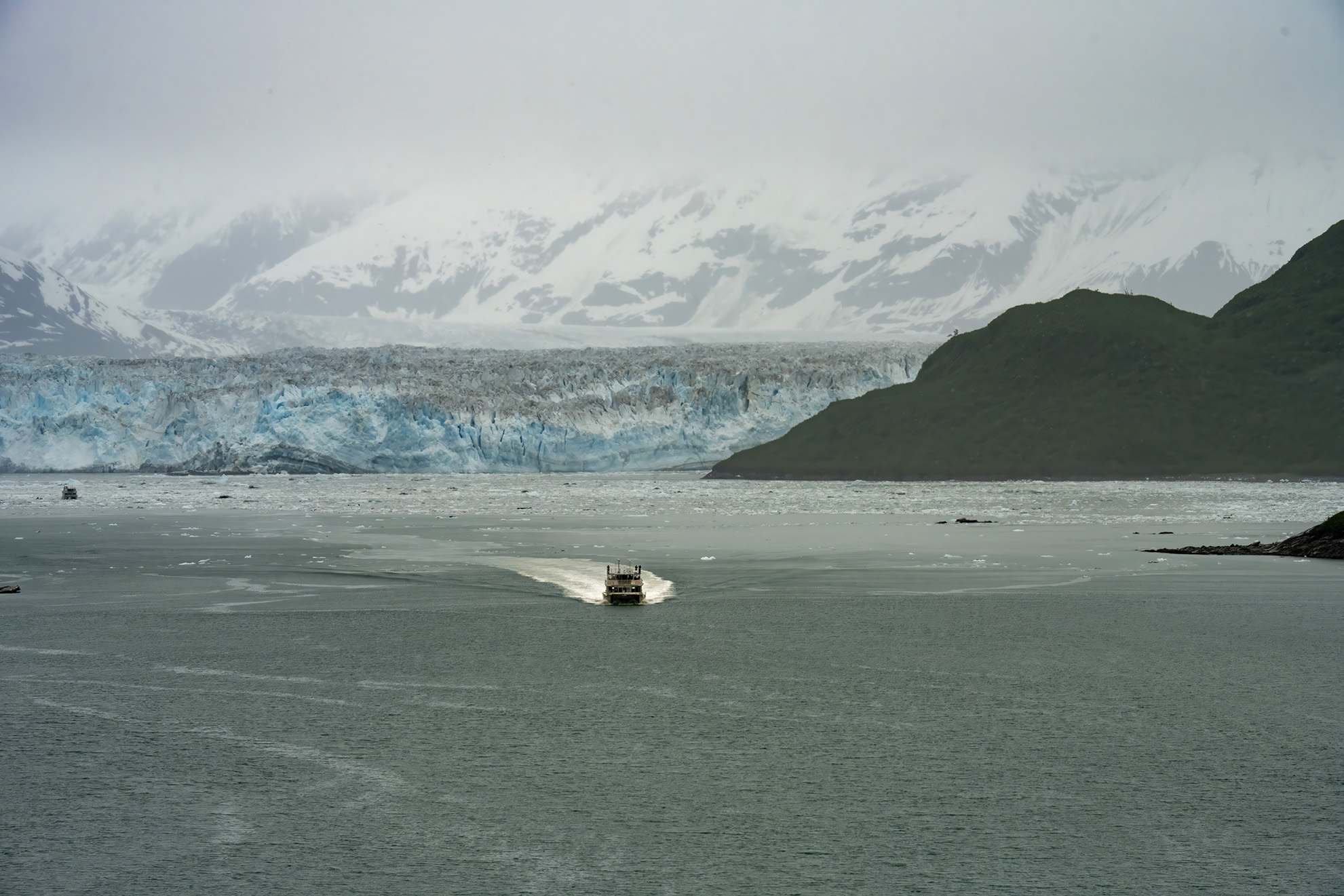
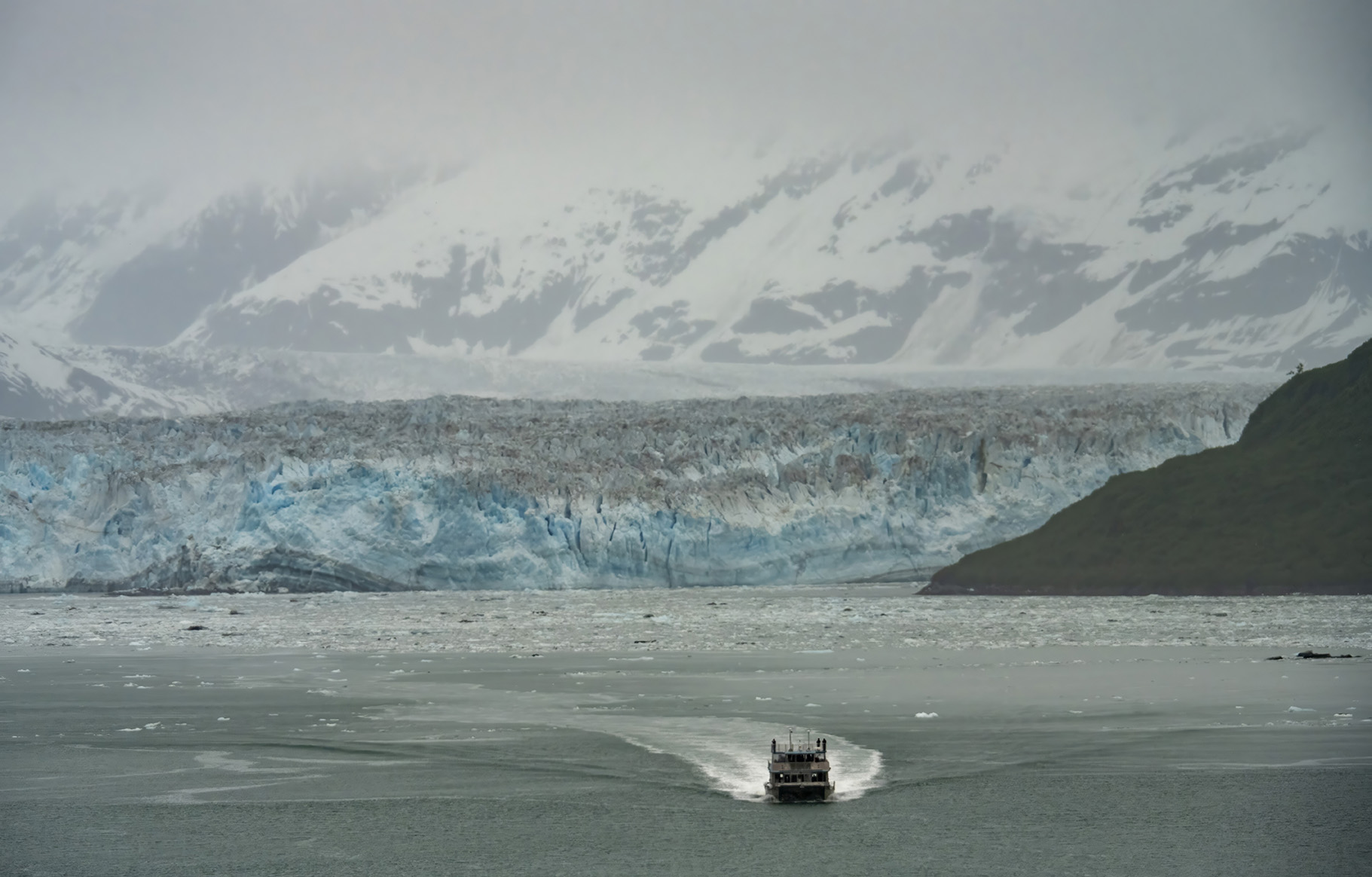
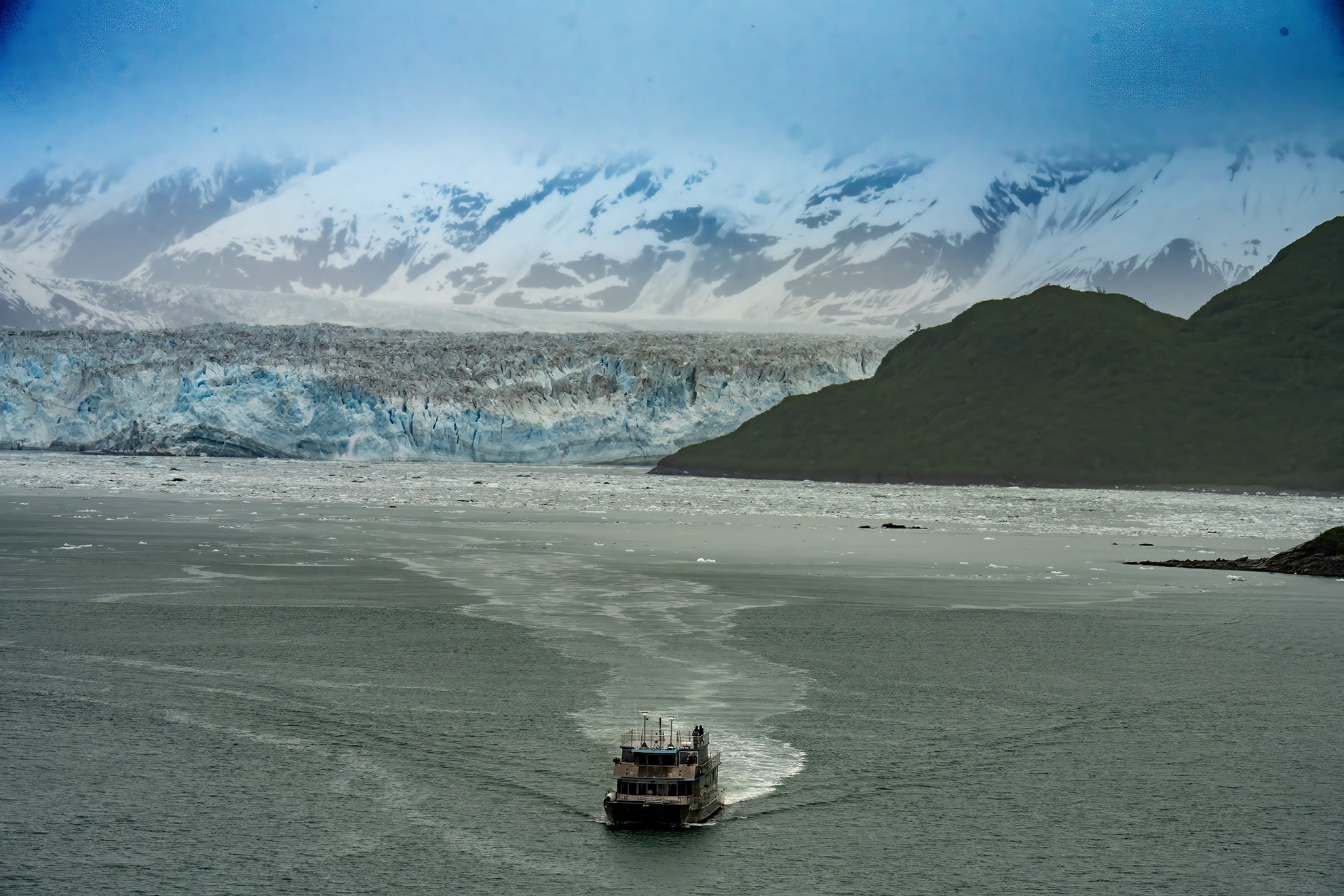
In layman's (and photographic terms), Hubbard advancing means the front of the glacier is pretty much a beautiful white and blue, while Turner (right next to it) is white but covered in all kinds of black debris. Check out my photos to see what I mean. In the distance above is Hubbard.
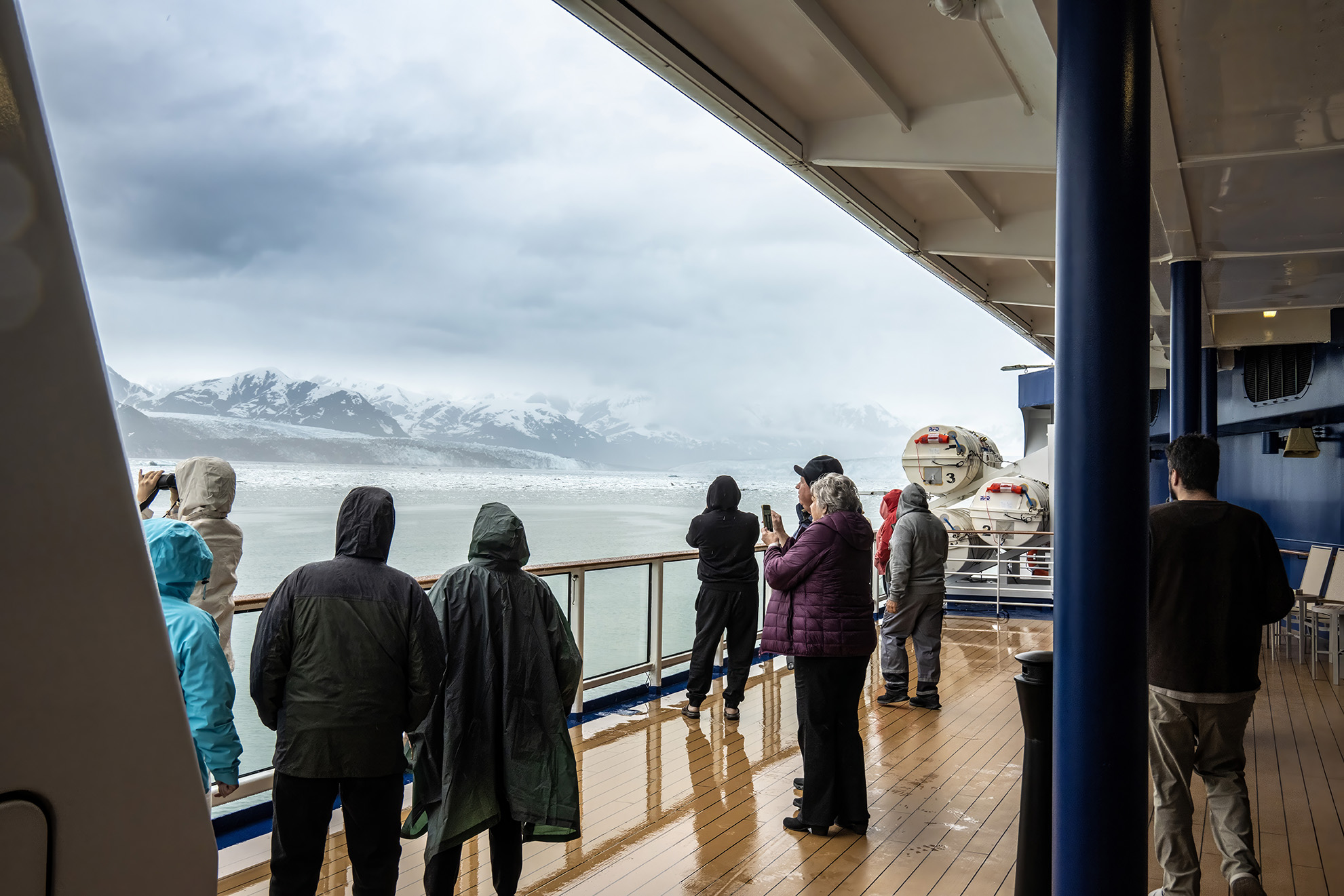
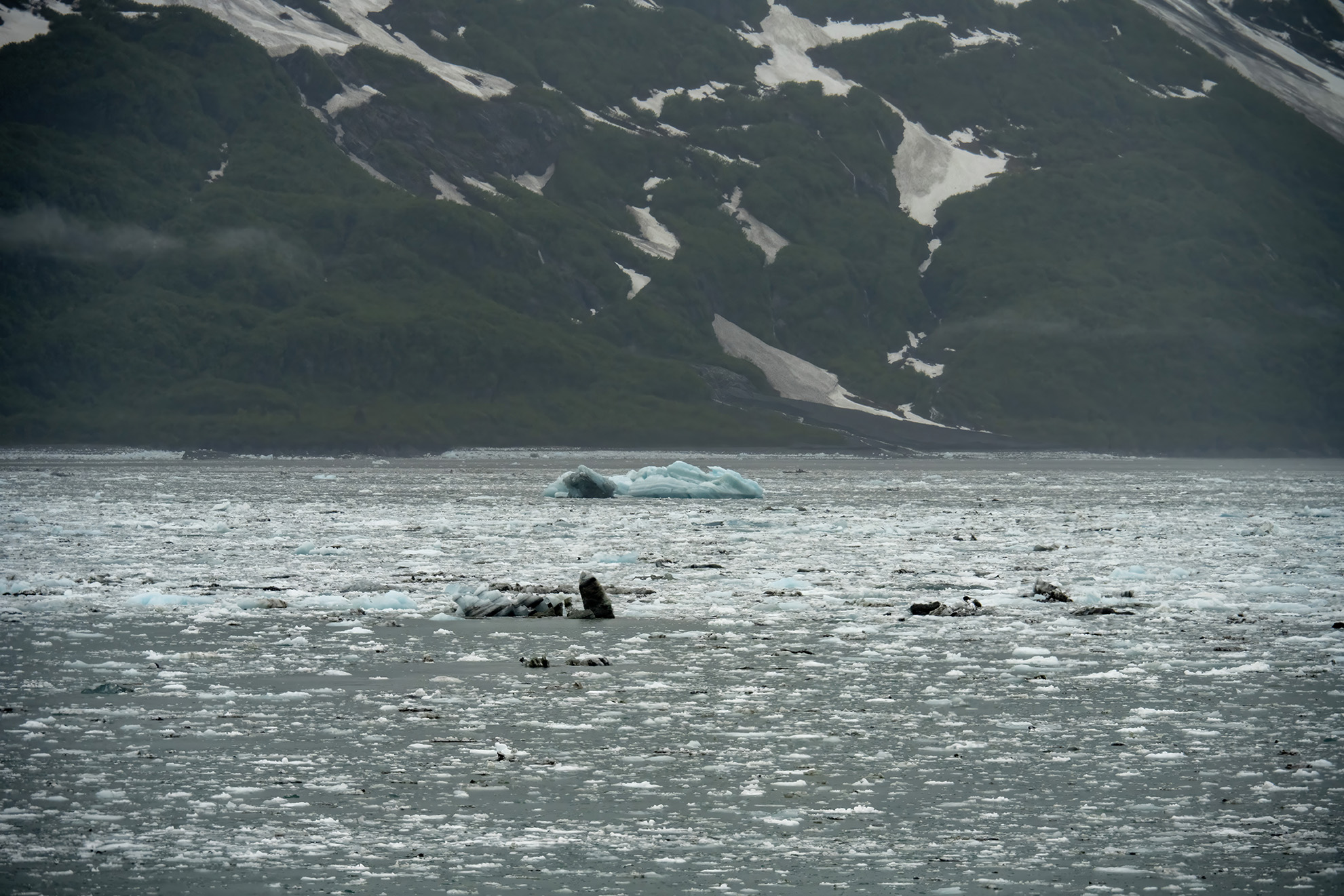
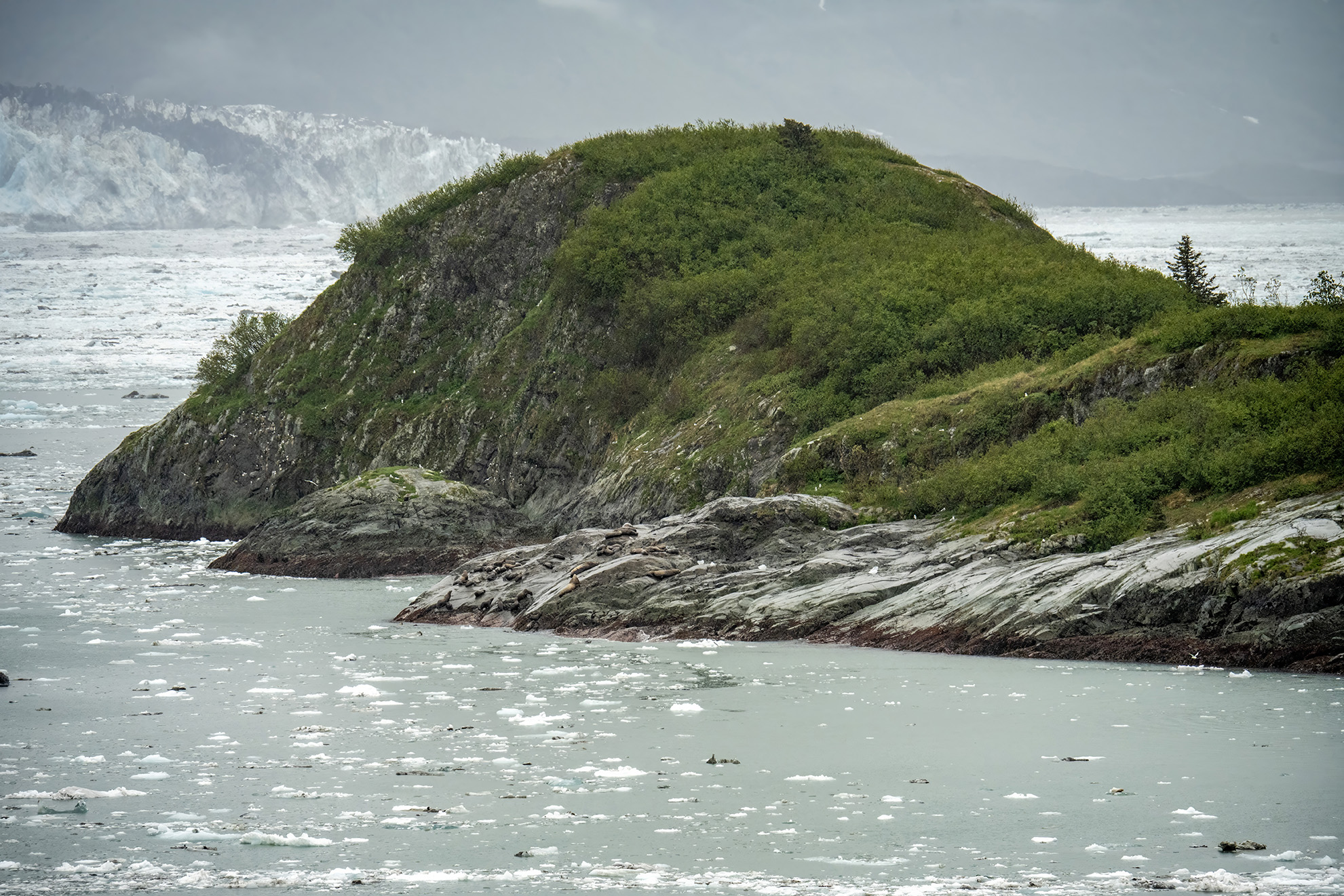
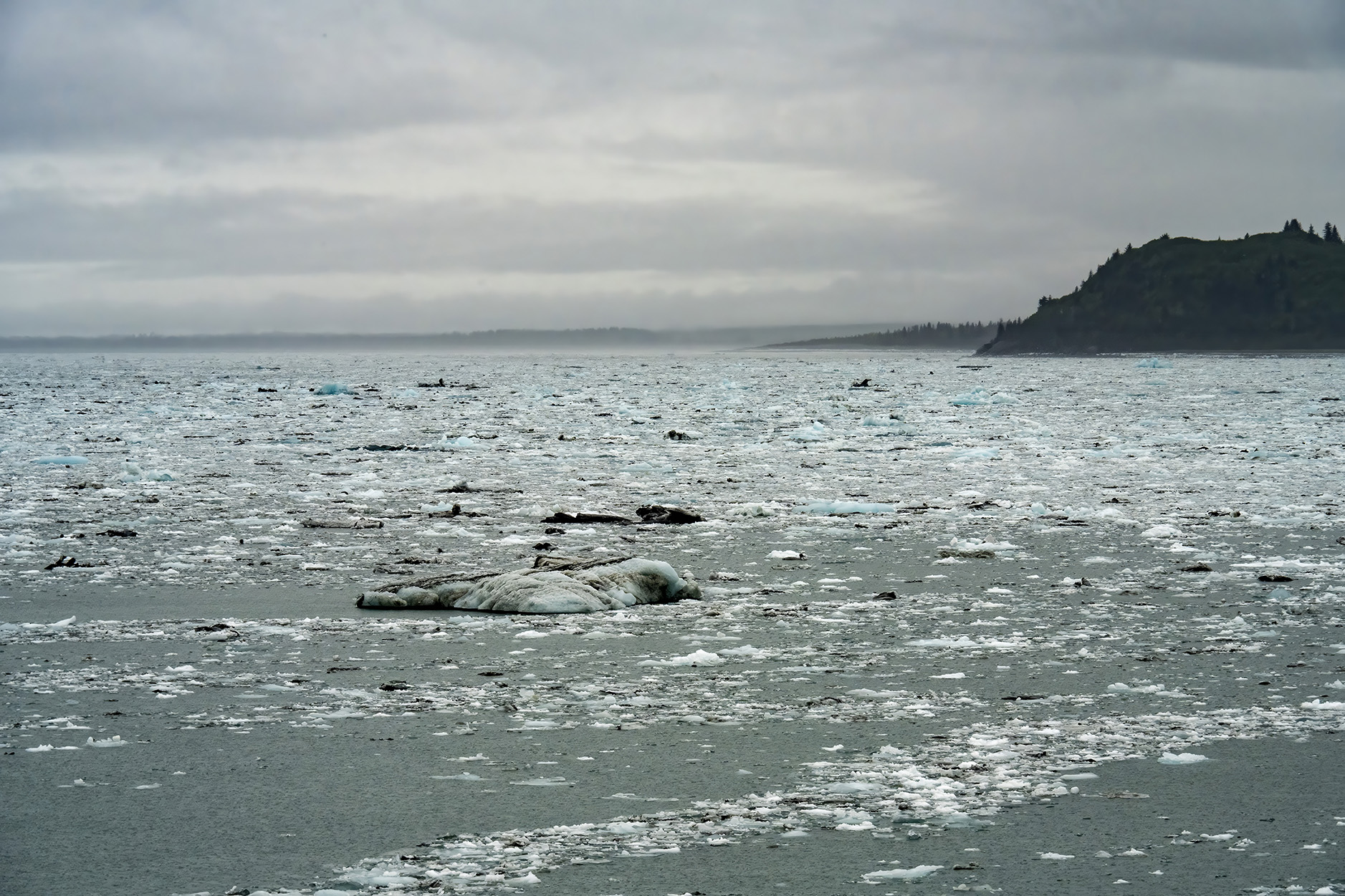
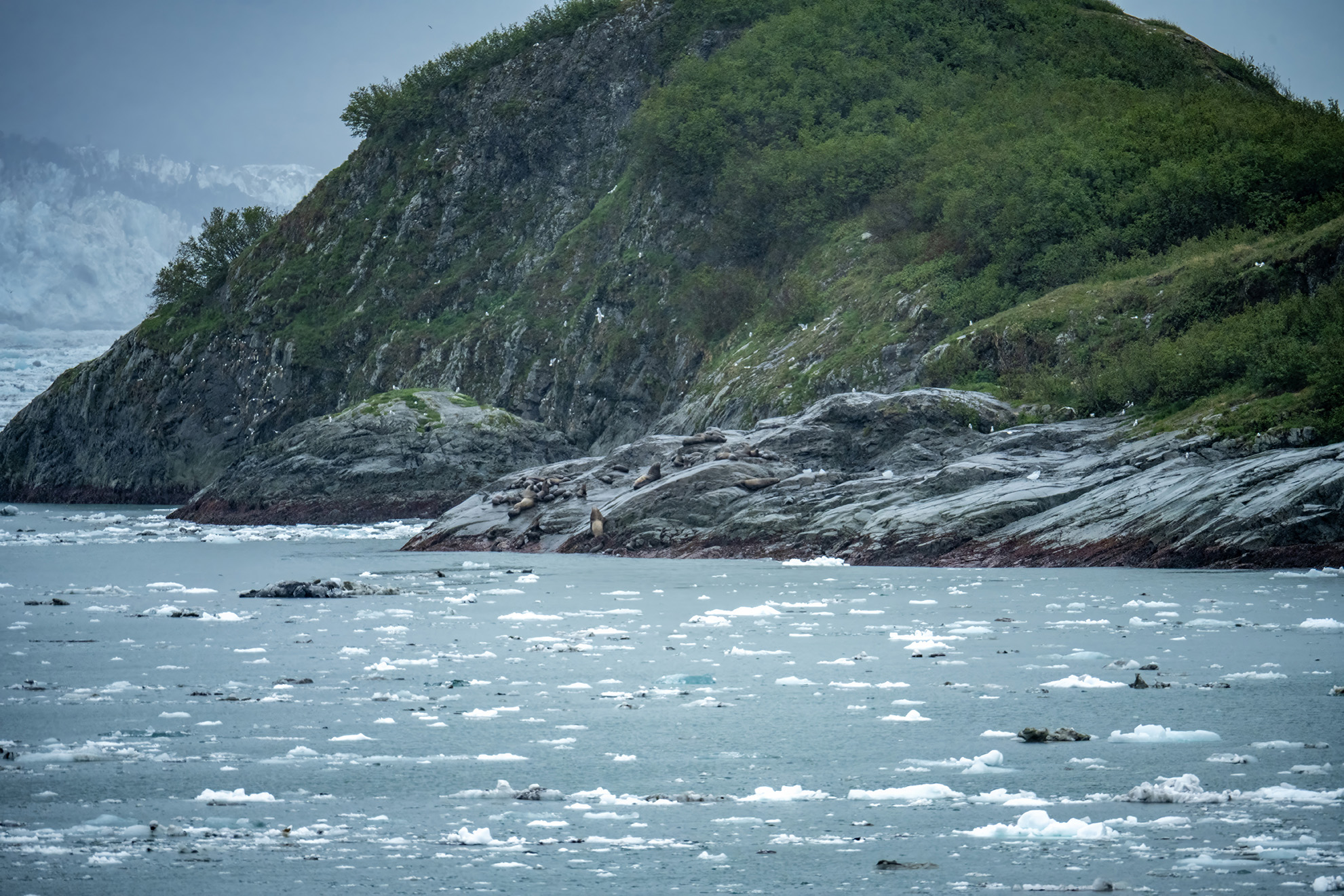
Whew! Now that you know more about glaciers than you ever wanted to know, here’s what happened to us on our Hubbard Glacier day. Wait. You still need to know about the ice. As glaciers advance, pieces of ice fall off. And if there is a huge ice field in front of the glacier, the ship can’t go there. And when we went to Hubbard, there was a HUGE ice field in front of us, so we barely got to see her. We spent 90% of our time in front of Turner's dirty face, and later in the day got to see Hubbard from afar.
I created a small map to show you how close we got to Hubbard and its position relative to Turner. We could go no further around the point than into the aptly named Disenchantment Bay due to the buildup of ice in the water. On previous visits to Hubbard Glacier, the ship we were on had been able to get much closer to the face of the glacier—not on this trip. If this were your only cruise to Alaska, you would not get the big deal that many of us make about viewing glaciers.


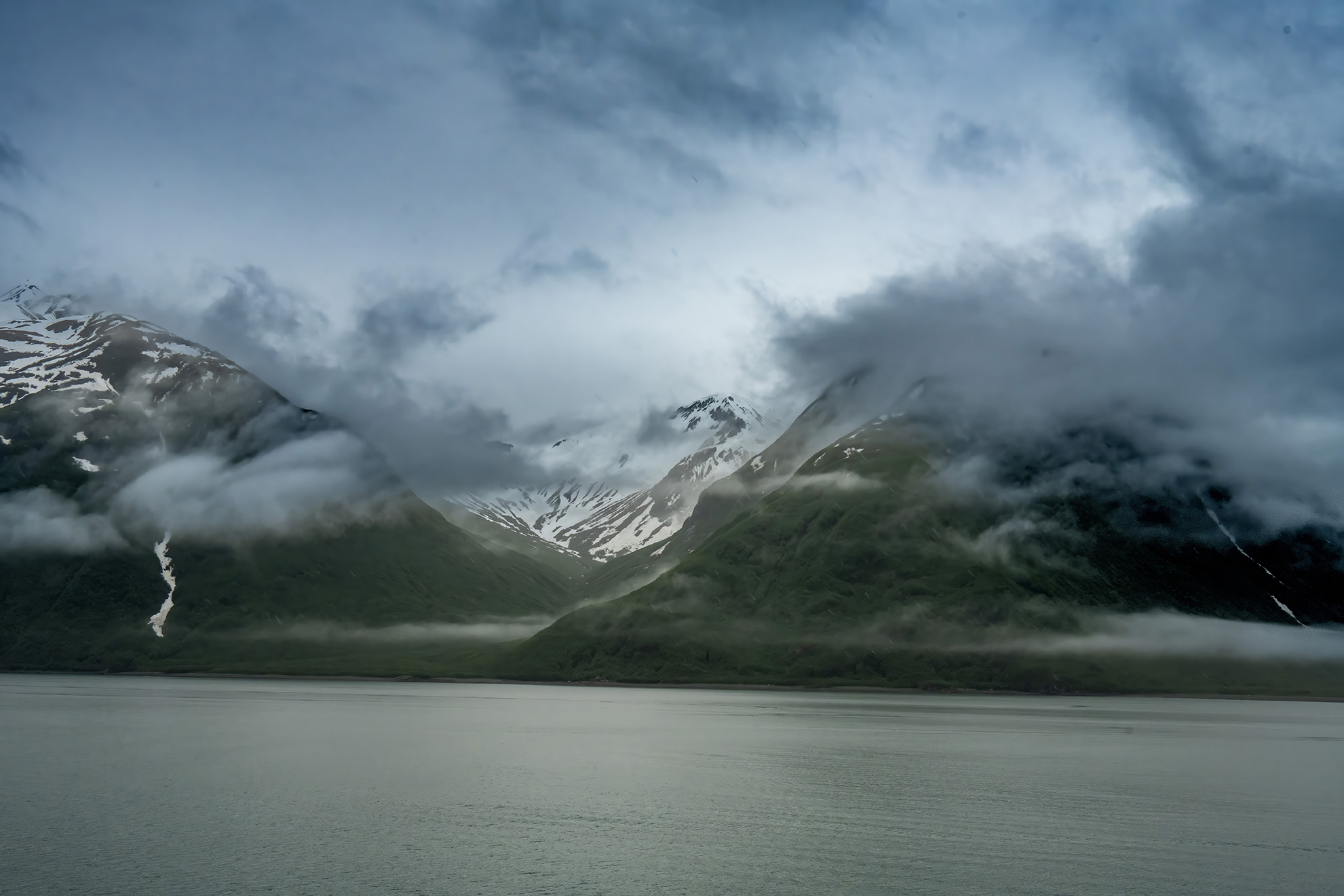
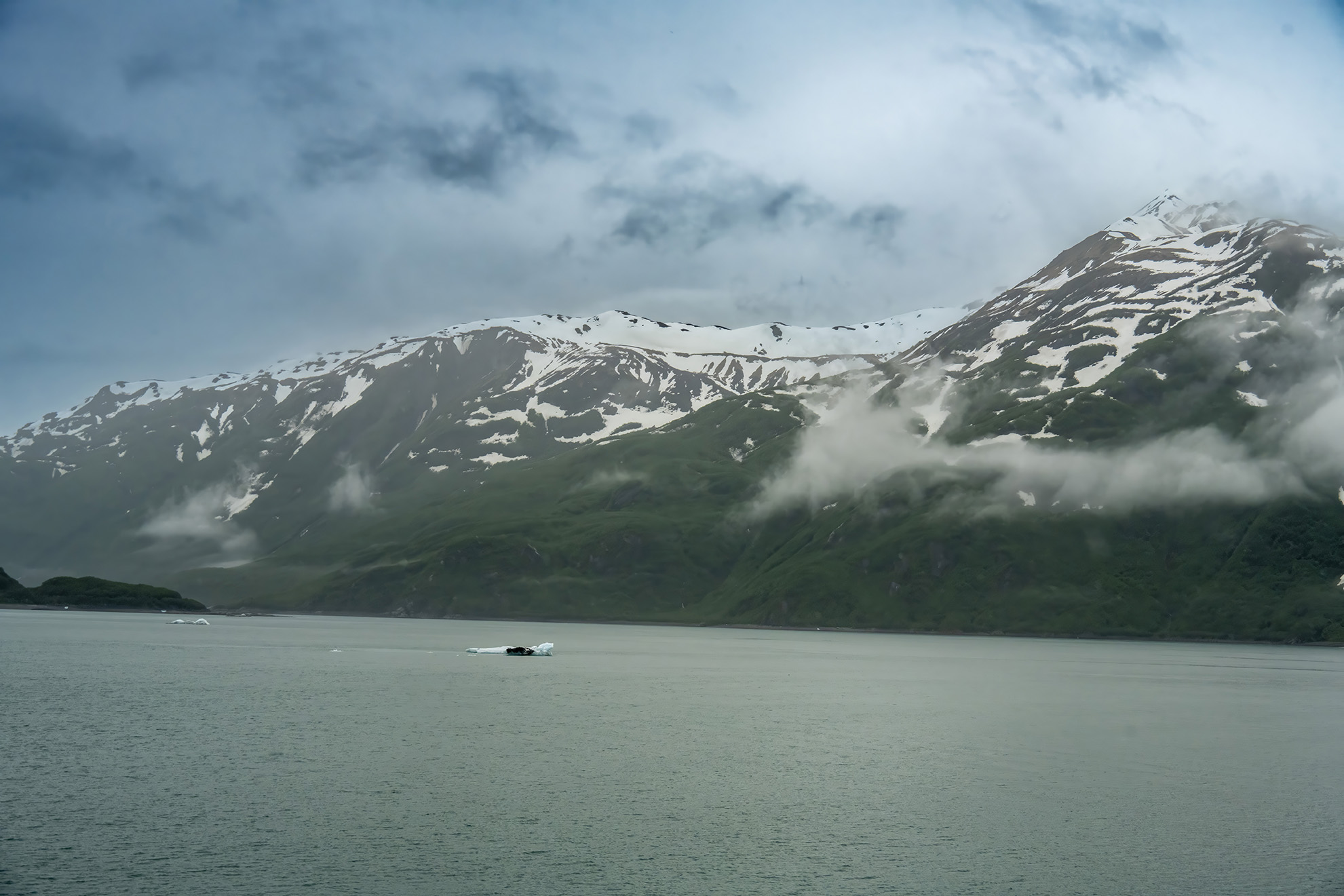
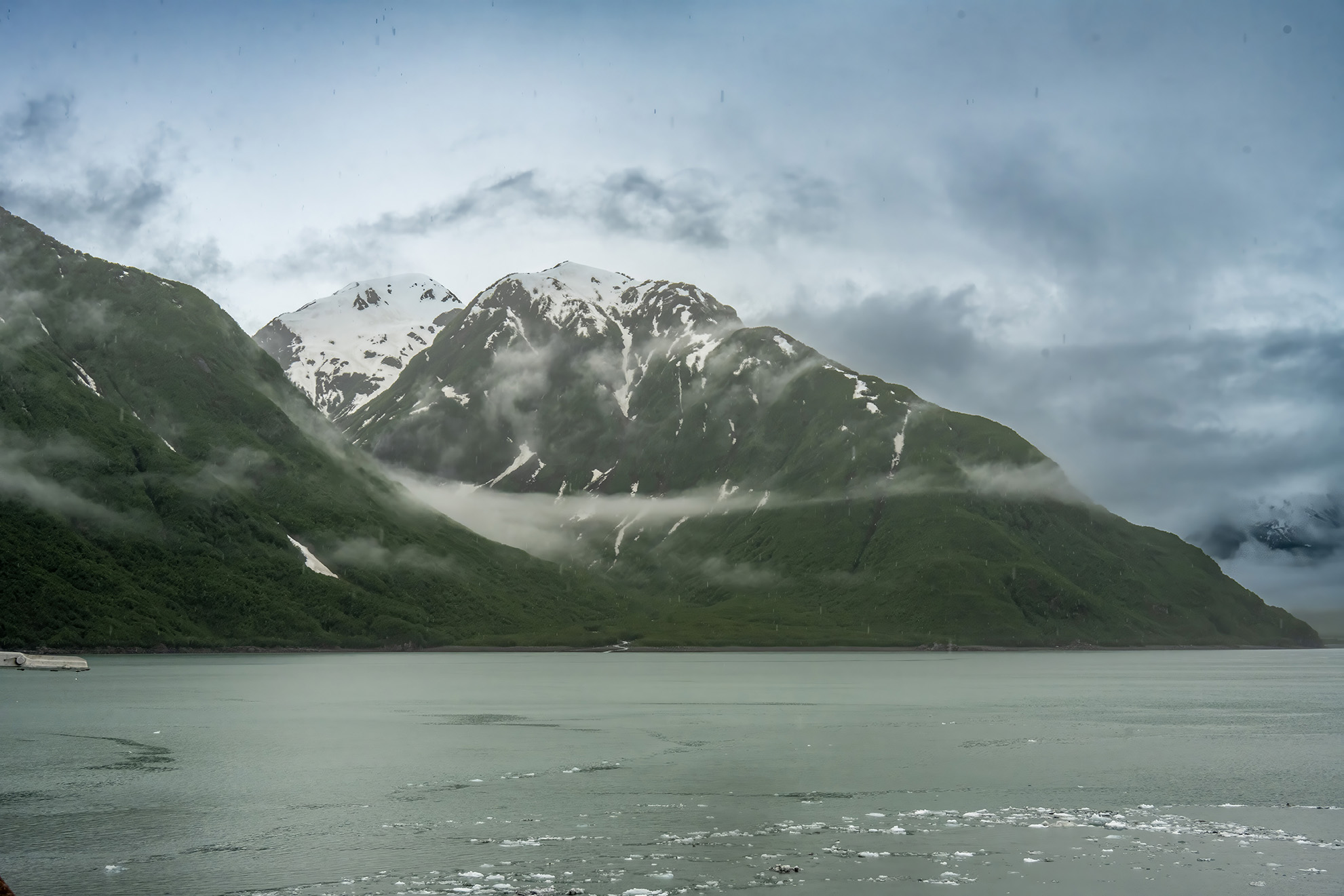
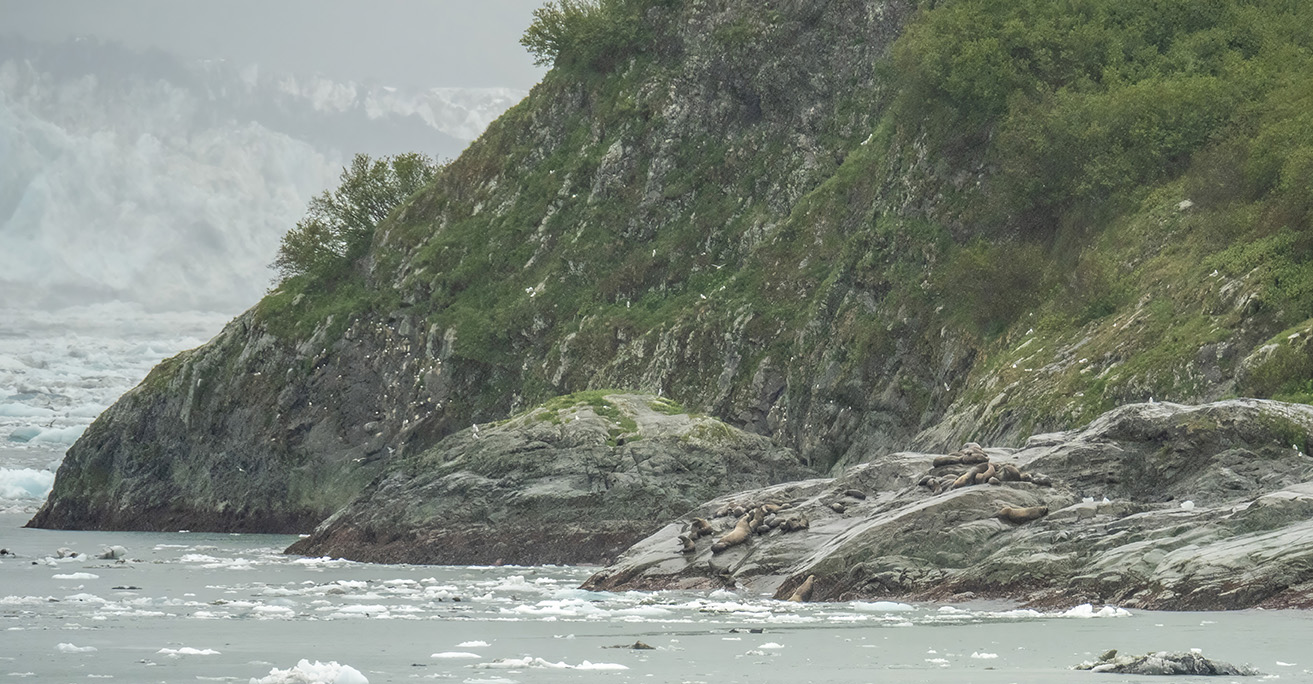
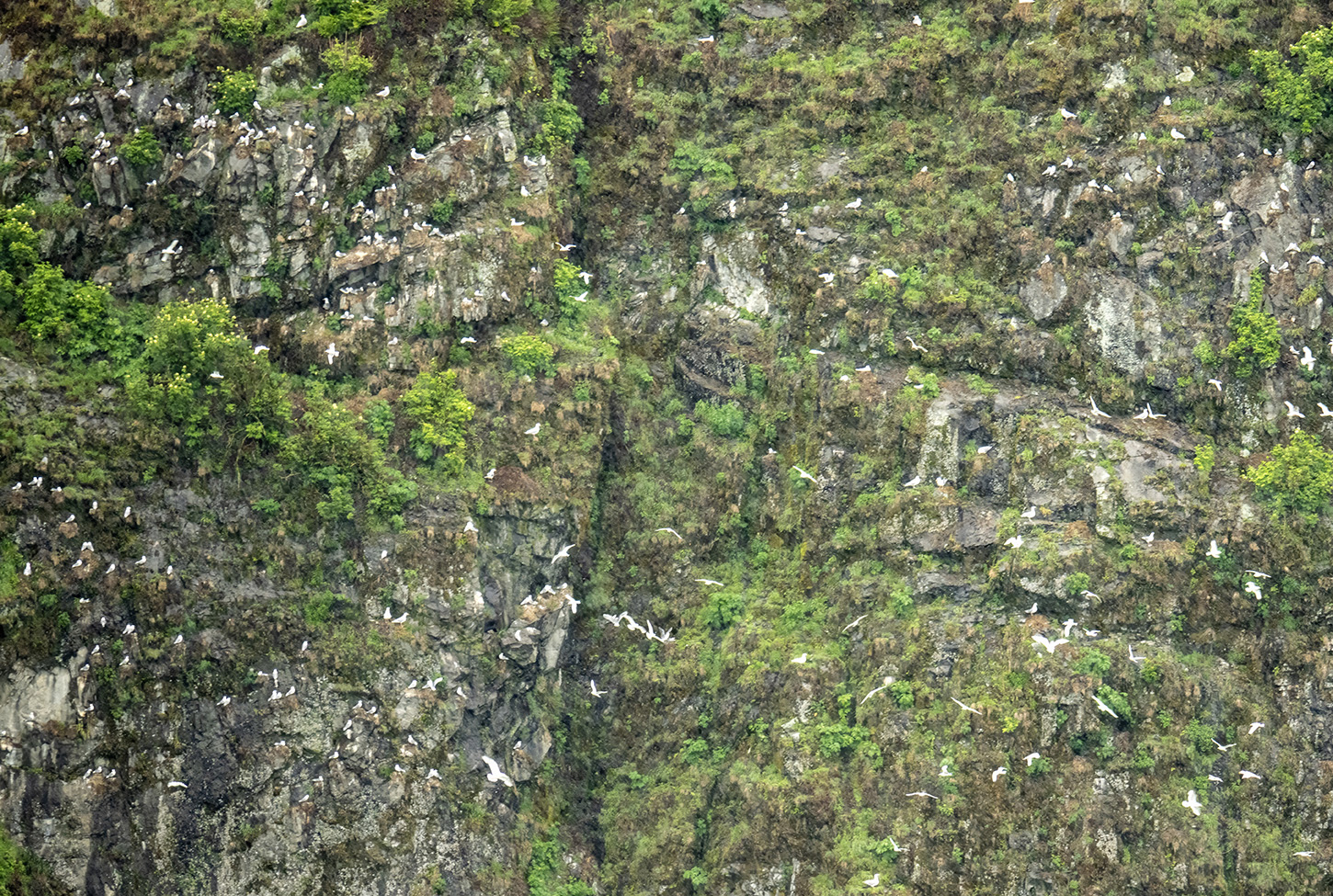
All this said, I will just let you look at the photos, and the captions will do a better job of explaining our distance, viewing angles, etc.
“A glacier doesn't die in thunder. It dies in silence. Drip by drip. Story by story. What we're losing isn't just ice— It's the future, melting away.” —Anurag Maloo